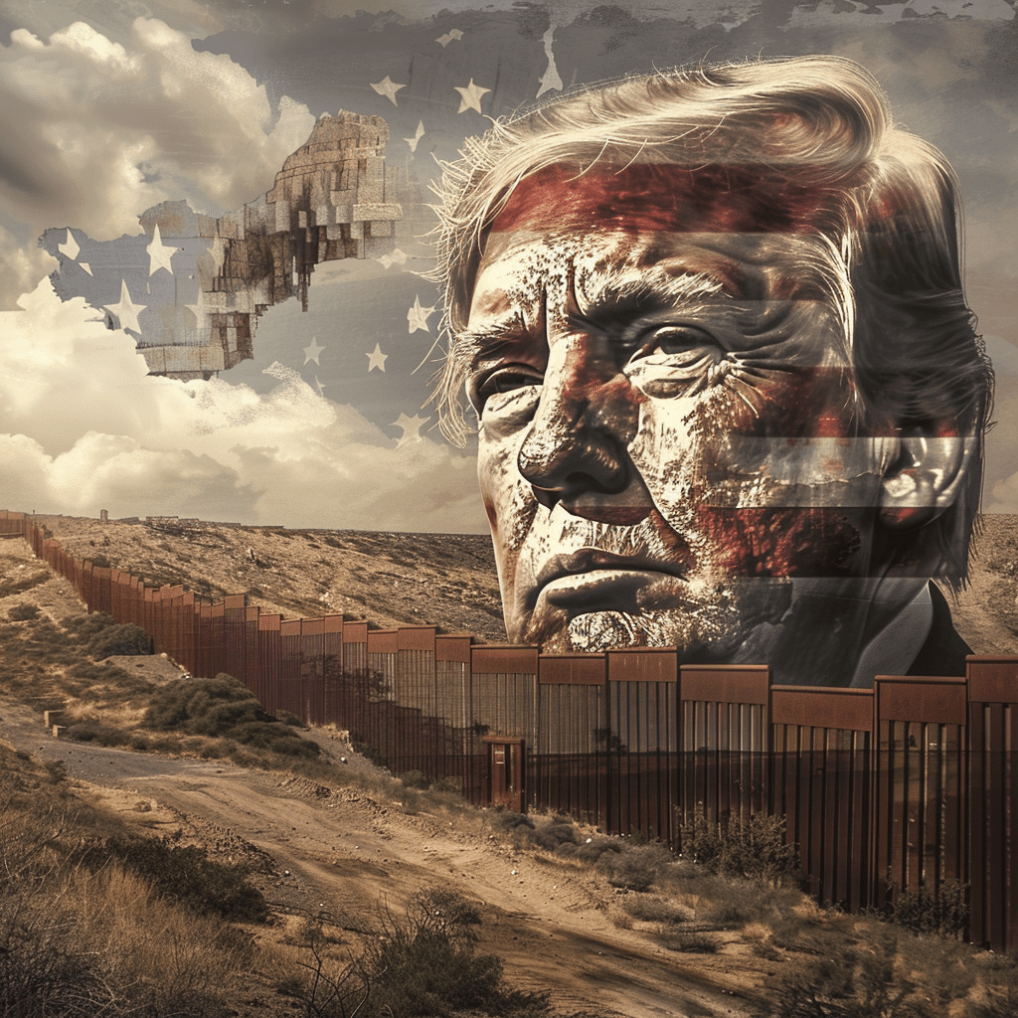
In the landscape of American politics, one might assume that capitalists would rally behind a candidate like Donald Trump, a businessman-turned-president promising to rejuvenate the economy and prioritize American interests. However, a closer examination reveals a more nuanced picture. Let’s delve into why capitalists, despite some shared interests, might not be as enthusiastic about Trump’s leadership.
Trump’s narrative of bringing back production and industry to the USA resonated with many Americans, particularly those in manufacturing-heavy regions. However, the reality is that achieving this goal often requires access to cheap labor. Restricting immigration and closing borders might seem like a solution, but it could backfire for capitalists. With only American workers available, wages would inevitably rise, leading to salary inflation. This, in turn, could compel the Federal Reserve to keep interest rates higher for longer to curb inflationary pressures, which could stifle economic growth.
Building production in the USA:
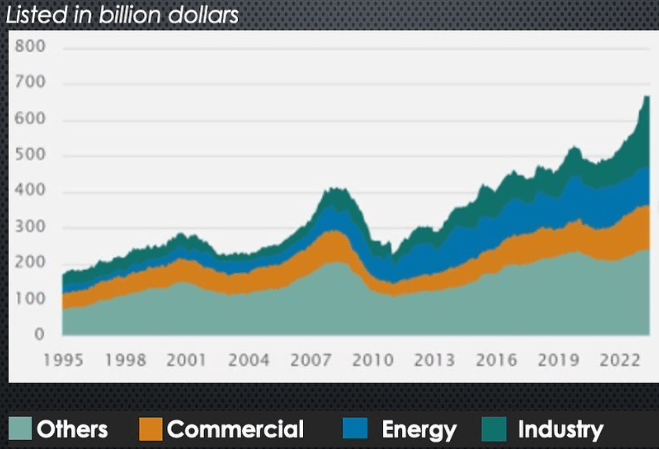
(Source: Census Bureau, more production is coming back to USA)
Even the oil industry which is Trumps favorite sector outside real estate should be in dire need of a policy changes would be inaccurate, as the sector in the USA is currently experiencing unprecedented levels of production. Contrary to suggestions that the industry is struggling, it’s worth noting that the United States is currently at the zenith of its oil production capabilities. The demand for oil persists, and America is actively meeting this demand by consistently pumping oil, irrespective of the political landscape, including the tenure of Trump’s presidency.
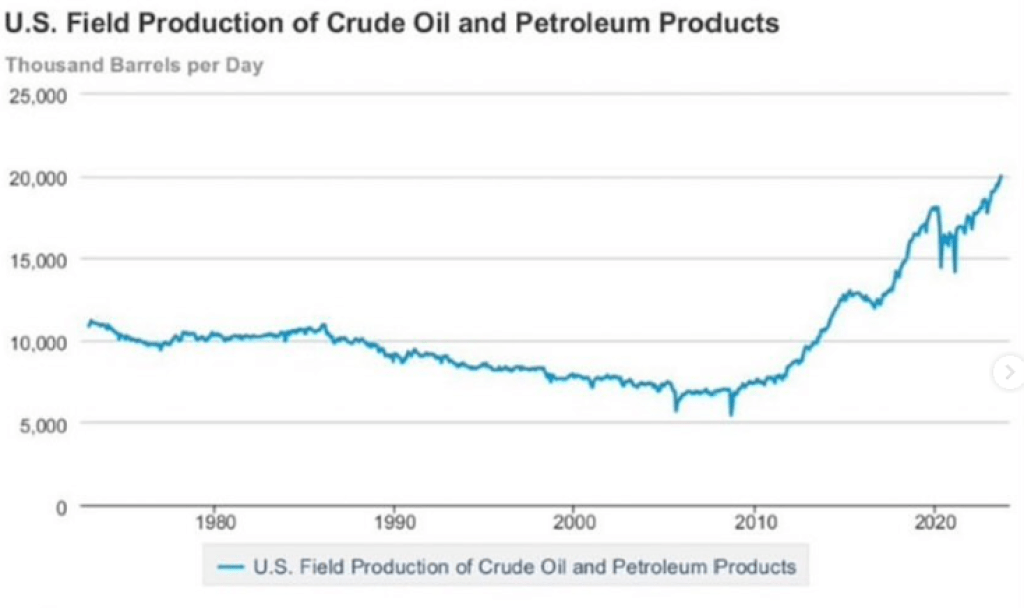
(Source: U.S. Energy information Administration, Oil production in U.S. is record high)
When Trump assumed office, he inherited a relatively stable economy from his predecessor, Barack Obama. Obama had grappled with the aftermath of the 2008 financial crash, making tough decisions to steer the country towards recovery. In contrast, Trump took office during a period of relative economic strength, which made things easier to give tax breaks. This context is essential to consider when evaluating if Trump would be able to give the same kind of text breaks once again.
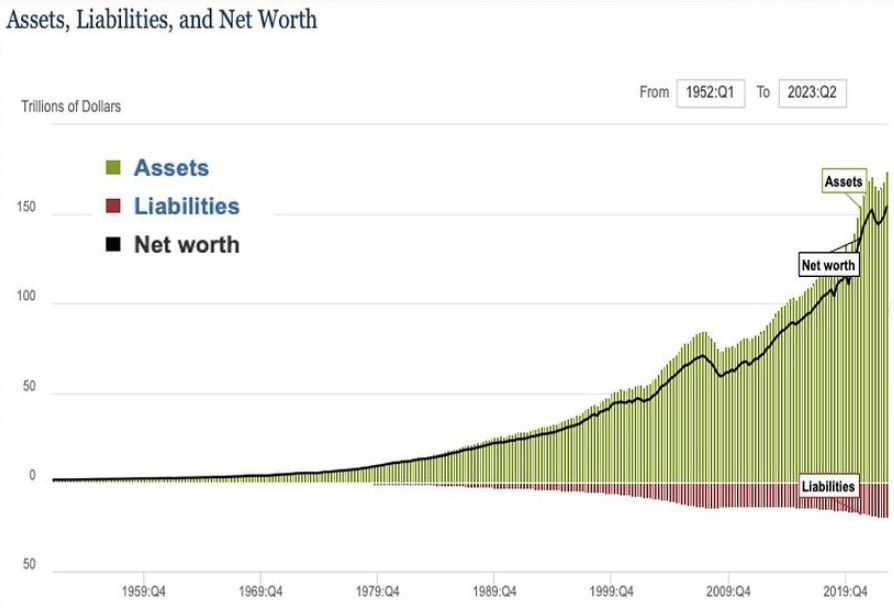
(Source: Board of governors of the federal reserve system, Americans households wealth is not 10 times bigger than debt)
One hallmark of Trump’s presidency was his volatility in decision-making and communication. While his assertive approach appealed to some, it often unnerved markets. Capitalists thrive on certainty and stability, traits that were often lacking in Trump’s governance style. Uncertainty introduced by erratic policy shifts can lead to market volatility, which is generally unfavorable for investors and businesses alike.
As a businessman, Trump’s mindset naturally gravitates towards personal interests. His slogan, “Make America Great Again,” resonated with his base, emphasizing a focus on domestic prosperity. However, the intricacies of global economics dictate that American interests extend beyond its borders. The US economy, as the world’s largest, is intricately linked with global markets and trade. Trump’s emphasis on protectionism and America-first policies risked isolating the country and undermining its position in the global economy.
In conclusion, while there might be areas of alignment between Trump’s rhetoric and capitalist interests, the broader economic realities, political context, market sentiments, and the tension between personal and national interests paint a more nuanced picture. Capitalists, as rational actors, weigh various factors when evaluating political leadership, and for many, the uncertainties and risks associated with Trump’s presidency might outweigh the perceived benefits. Ultimately, the intersection of politics and economics is complex, and simplistic narratives often fail to capture its intricacies.
PS – This is not a Biden campaign act at all! It’s only to add some more nuances and perspective to the matter.
 Adspredt